
Do You Need a 3T MRI for a Shoulder Injury?
Learn when 3T shoulder MRI can help for labral tears, small rotator cuff tears, instability, and cartilage detail, and when 1.5T MRI or ultrasound is enough.
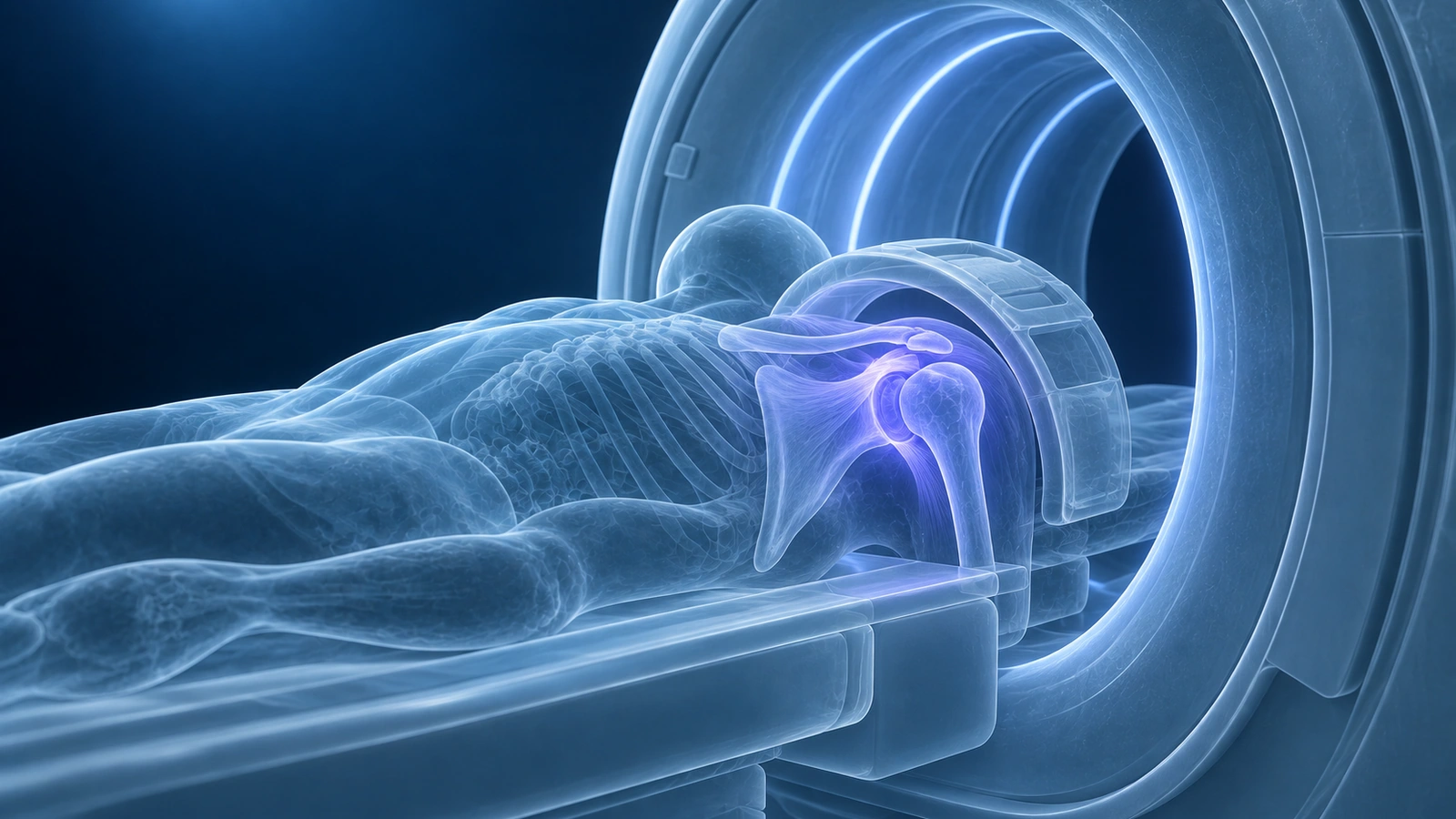
A 3T shoulder MRI can help when the question is small: labral tears, subtle partial rotator cuff tears, biceps pulley injuries, cartilage defects, or instability-related bone bruising. It is not automatically better than a well-performed 1.5T MRI or ultrasound.
Shoulder imaging is also protocol-dependent. If the scan misses the right planes, uses a generic protocol, or does not answer the surgeon's question, magnet strength alone will not rescue it.
Quick Answer: When 3T Shoulder MRI Is Worth Asking About
Ask about 3T when labral detail, small partial-thickness cuff tearing, instability lesions, or cartilage surfaces could change treatment. Do not pay for 3T if the main question is a visible fracture, severe arthritis on X-ray, or a full-thickness rotator cuff tear already clear on ultrasound or MRI.
Check Your Existing Shoulder ScanWhen 3T Can Add Value for Shoulders
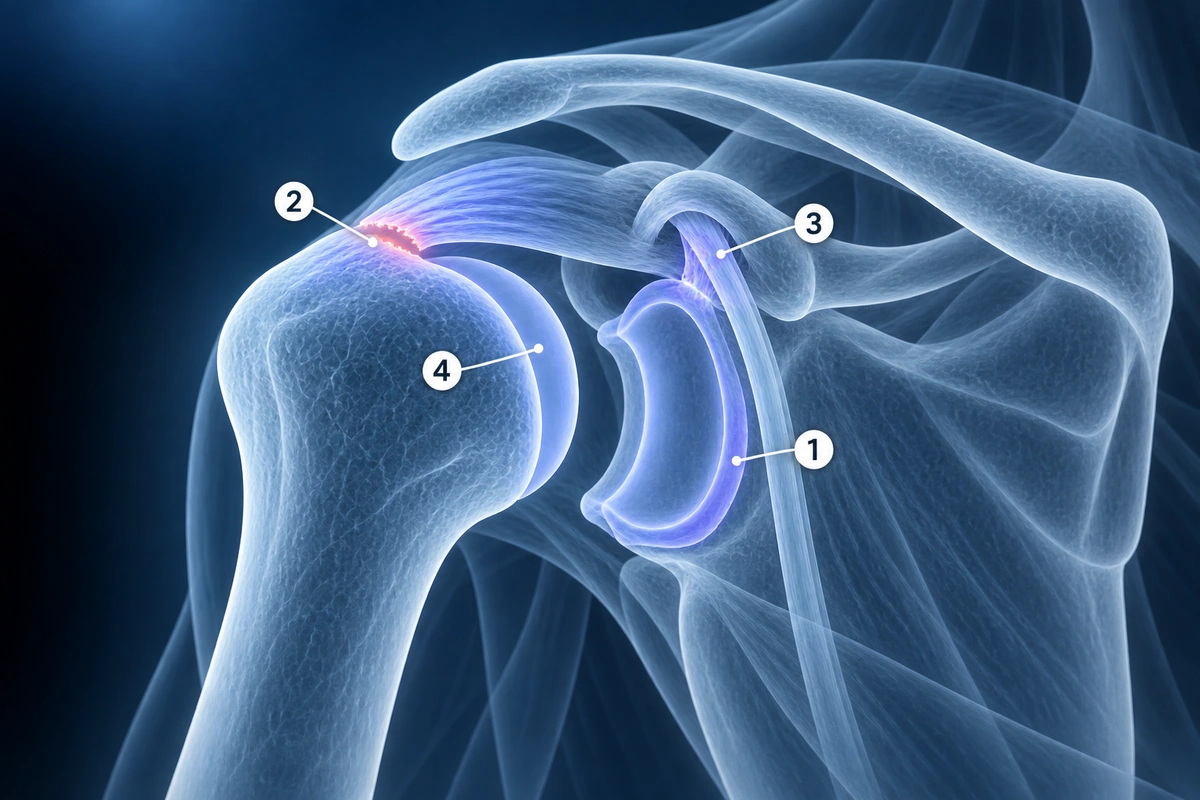
- Labral tear questions after instability, dislocation, or deep clicking
- Small partial-thickness rotator cuff tears and tendon footprint detail
- Bankart, Hill-Sachs, GLAD, or cartilage injuries that affect surgical planning
- Biceps pulley, anchor, or subtle post-operative questions where fine detail matters
When You Probably Do Not Need 3T
- Initial trauma imaging where X-ray checks dislocation, fracture, and alignment
- Advanced glenohumeral or AC arthritis that is already obvious on X-ray
- A large full-thickness rotator cuff tear already well shown on ultrasound
- Repeat scanning when the first MRI already matches the exam and treatment plan
3T Does Not Replace the Right Shoulder Protocol
Labral imaging may need the right planes, traction positioning, or sometimes MR arthrography. Ultrasound may be the better value for dynamic rotator cuff and biceps tendon questions. For instability context, see our Bankart and Hill-Sachs MRI guide.
Already Have a Shoulder MRI or Ultrasound?
Upload your existing shoulder imaging for a private AI explanation before paying for another scan. Raw files stay in your browser; optional AI uses rendered images and provides educational context, not a diagnosis.
Upload Shoulder ImagingKey Takeaways
- 3T shoulder MRI is most useful for labrum, cartilage, subtle cuff, and instability detail
- Ultrasound can be enough for many rotator cuff and biceps tendon questions
- MR arthrogram may matter more than field strength for some labral questions
- Do not repeat a clear shoulder scan only because 3T sounds stronger
Frequently Asked Questions
Is 3T MRI necessary for a shoulder labral tear?
Not always. 3T can help with small labral and cartilage detail, but some labral questions need MR arthrography or a specific instability protocol more than a stronger magnet.
Is 3T MRI better than ultrasound for rotator cuff tears?
It depends on the question. Ultrasound can be excellent for full-thickness tears, dynamic impingement, and biceps tendon motion. MRI gives a broader view of muscle, marrow, labrum, cartilage, and deep joint structures.
Should I repeat a 1.5T shoulder MRI on a 3T scanner?
Only if the first scan did not answer a specific question and your clinician thinks a targeted 3T shoulder protocol could change treatment. Repeating imaging without a new question often adds cost without clarity.
Related Articles
Understand your shoulder MRI report, key anatomical structures, and what common findings mean.
Understand rotator cuff tear classification systems, partial vs full thickness tears, and how tear size affects treatment decisions.
Bankart and Hill-Sachs lesions on shoulder MRI — anterior shoulder dislocation pattern, on-track vs off-track concept, glenoid bone loss, and recurrence risk.
Related Conditions
Ready to analyze your imaging? Upload your MRI or X-ray for AI-powered analysis
Upload your MRI or X-ray DICOM files for private, AI-powered analysis. 4 models analyze independently — raw scan files stay in your browser.
Start AnalysisMedical Disclaimer: This page is for informational and educational purposes only. It does not constitute medical advice, diagnosis, or treatment. AI-generated analysis may contain errors. Always consult a qualified healthcare professional for medical decisions. Full Disclaimer