
Can a Rotator Cuff Tear Heal Without Surgery?
Explore whether rotator cuff tears can heal conservatively, factors affecting recovery, and when surgery becomes necessary.
Key Takeaways
- A prospective study found physiotherapy effective for approximately 75% of patients with atraumatic full-thickness rotator cuff tears over two years.
- Functional recovery is possible even when the structural tear persists
- Conservative treatment should be attempted for 3-6 months before considering surgery
- Larger tears and traumatic tears in young patients are better candidates for surgical repair
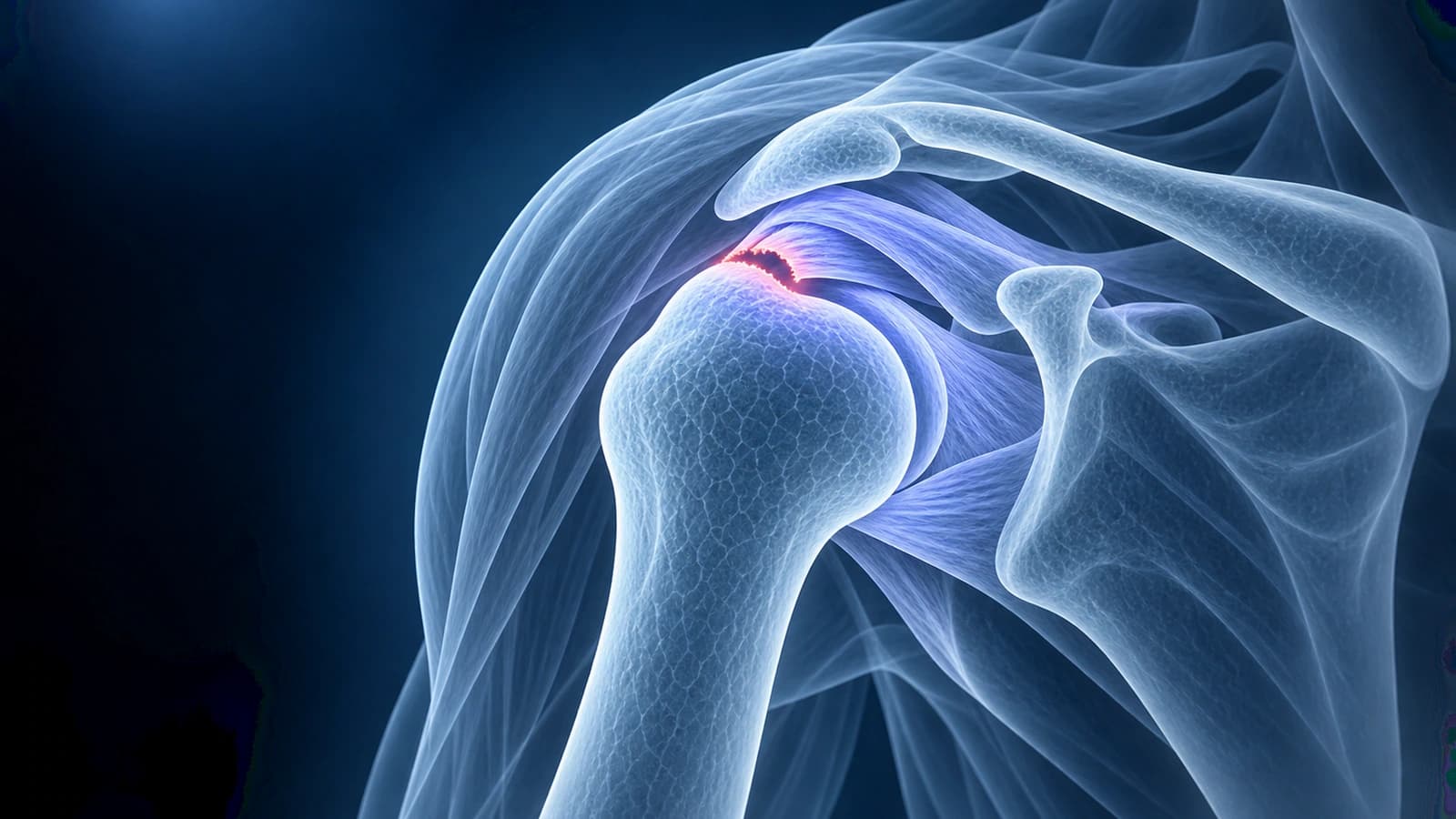
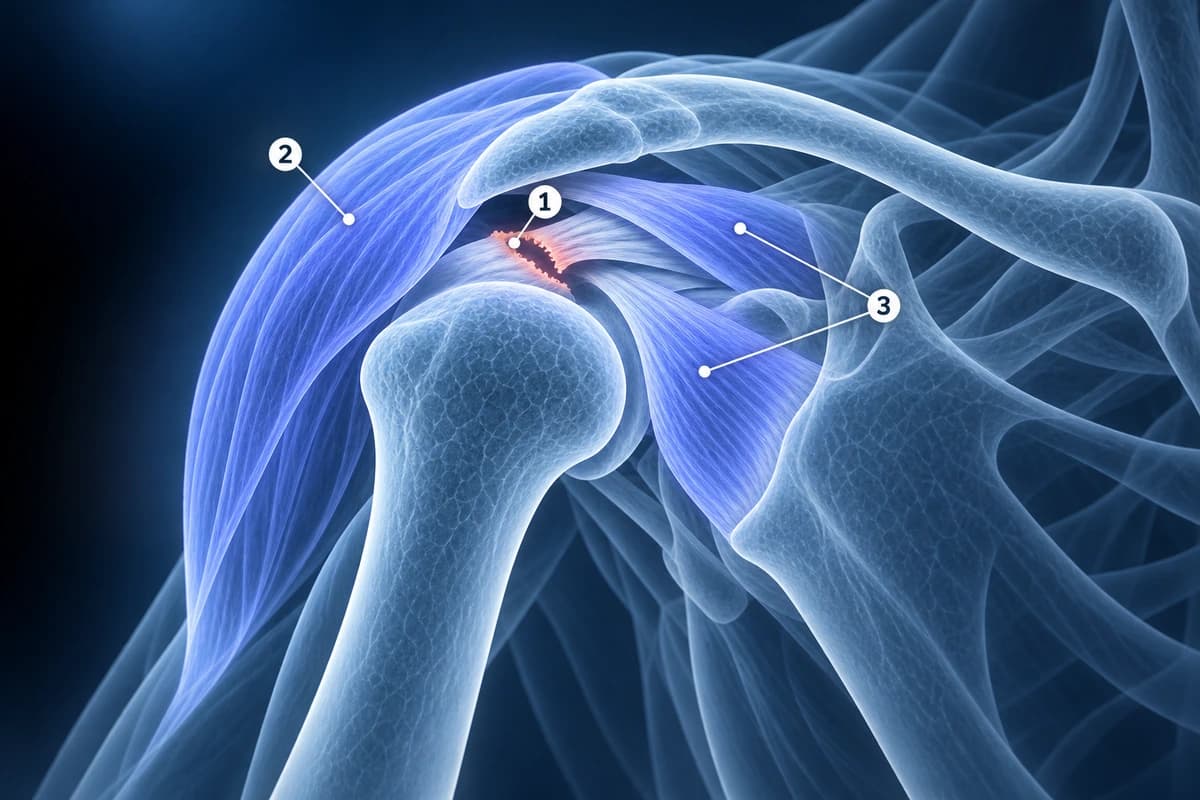
The rotator cuff is a group of four muscles and tendons (supraspinatus, infraspinatus, teres minor, and subscapularis) that stabilize the shoulder joint. Rotator cuff tears are extremely common, and research shows that 75-80% of patients with atraumatic tears achieve satisfactory outcomes with conservative treatment. The question of whether these tears can heal without surgery depends on tear size, patient age, and functional demands.
Rotator Cuff Tear Classification
For detailed classification, see our article on rotator cuff tear classification.
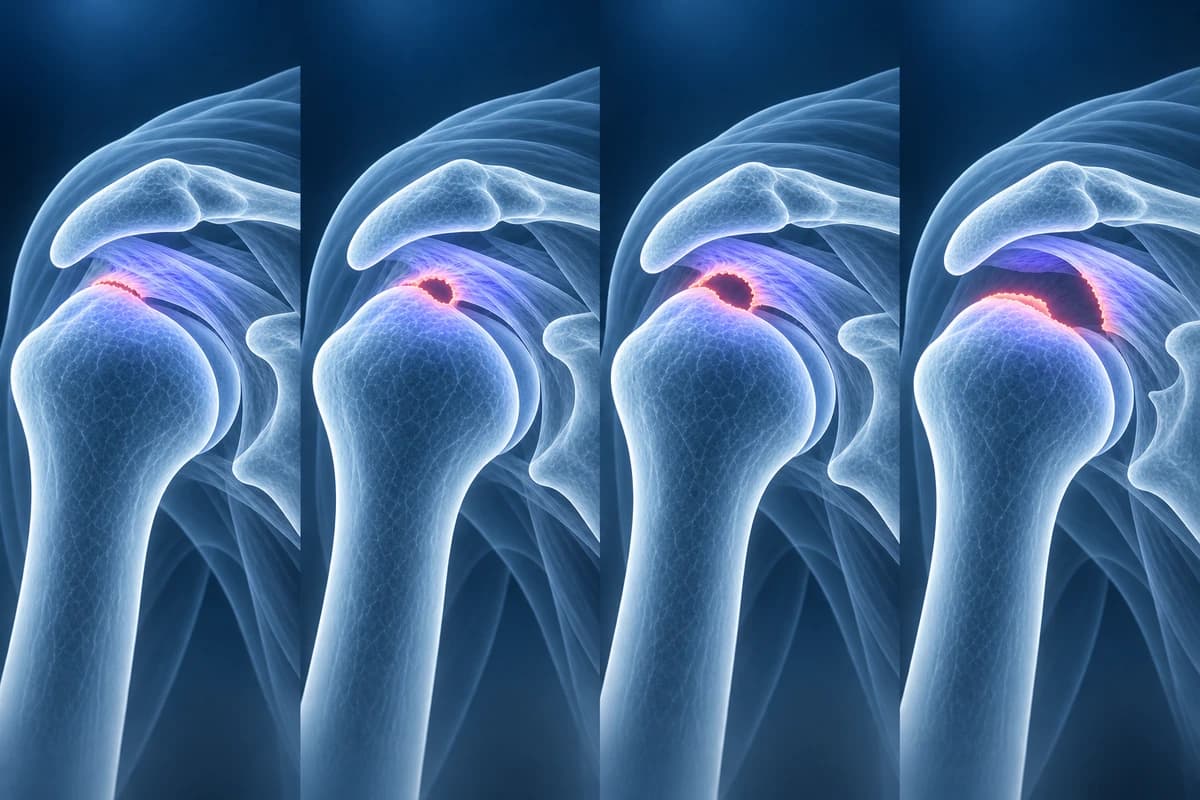
- Partial-thickness tears: strong conservative management candidates
- Small full-thickness tears (under 1 cm): often manageable conservatively
- Medium full-thickness tears (1-3 cm): mixed results, may progress over time
- Large to massive tears (over 3 cm): limited conservative success, higher atrophy risk
Functional Healing vs Structural Repair
Healing in the rotator cuff does not always mean structural tendon repair. Functional healing, where pain resolves and strength improves through compensation by intact muscles and the deltoid, is achievable even when the structural tear persists. Many patients live comfortably with a rotator cuff tear that never anatomically heals because surrounding muscles adequately compensate.
Conservative Treatment Approach
A comprehensive program typically spans 3-6 months. For detailed protocols, see our shoulder rehab for rotator cuff injuries guide.
- Activity modification: avoiding overhead reaching and heavy lifting initially
- Anti-inflammatory treatment: short-term NSAIDs, ice, potentially a corticosteroid injection
- Physical therapy: progressive rotator cuff and scapular stabilizer strengthening
- Posture correction: addressing rounded shoulders and forward head position
When Surgery Is Recommended
Surgical repair is generally recommended for acute traumatic tears in active patients, full-thickness tears in young patients needing overhead function, tears that fail 3-6 months of conservative treatment, and progressive tear enlargement on imaging. MRI is crucial for surgical planning. See our guide to reading shoulder MRI.
Frequently Asked Questions
Can a full-thickness rotator cuff tear heal without surgery?
A full-thickness tear rarely heals structurally without surgery. However, functional healing through strengthening of surrounding muscles is common. Small full-thickness tears in older, low-demand patients frequently respond well to physiotherapy.
Will a rotator cuff tear get worse without surgery?
Some tears remain stable for years while others progressively enlarge. Risk factors for progression include larger initial size, continued heavy overhead use, smoking, and diabetes. Regular follow-up can identify early signs of progression.
What exercises should I avoid with a rotator cuff tear?
Avoid overhead pressing, behind-the-neck exercises, upright rows, dips, and heavy bench pressing until cleared by your physiotherapist. Focus on rotator cuff-specific strengthening with light resistance and scapular stabilization exercises.
Sources
- Kuhn JE, Dunn WR, Sanders R, et al. Effectiveness of physical therapy in treating atraumatic full-thickness rotator cuff tears: a multicenter prospective cohort study. J Shoulder Elbow Surg. 2013;22(10):1371-1379.
- Keener JD, Galatz LM, Teefey SA, et al. A prospective evaluation of survivorship of asymptomatic degenerative rotator cuff tears. J Bone Joint Surg Am. 2015;97(2):89-98.
- Mall NA, Kim HM, Keener JD, et al. Symptomatic progression of asymptomatic rotator cuff tears: a prospective study of clinical and sonographic variables. J Bone Joint Surg Am. 2010;92(16):2623-2633.
- American Academy of Orthopaedic Surgeons. Rotator Cuff Tears. OrthoInfo.
Related Articles
Your MRI says partial- or full-thickness rotator cuff tear? Learn what these terms, tear size and retraction mean, and how they shape treatment choices.
Evidence-based rotator cuff rehabilitation exercises, phases of recovery, and tips for optimal shoulder healing.
Related Conditions
Understand your imaging before your next appointment
MRI, X-ray or CT from a CD, folder or ZIP. A PDF report or photos of the films work too.
Free to open and preview, no account needed. An optional AI report from $10 explains your images in plain language, with questions for your doctor.
Your raw files stay on this device. Only rendered images and minimal context are sent when you request an AI report.
Medical Disclaimer: This page is for informational and educational purposes only. It does not constitute medical advice, diagnosis, or treatment. AI-generated analysis may contain errors. Always consult a qualified healthcare professional for medical decisions. Full Disclaimer